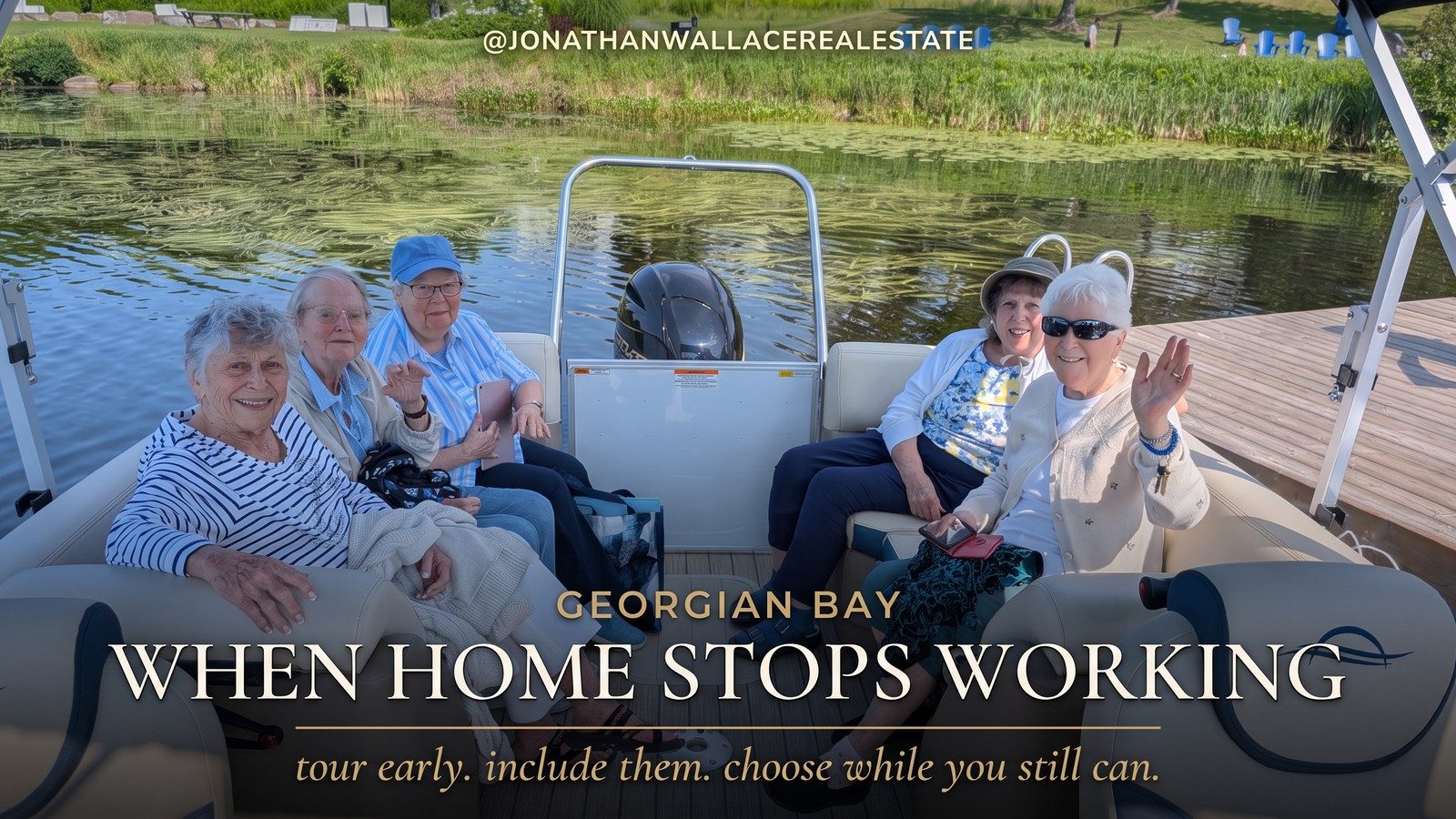
We live in our houses for decades. We know every creaky floorboard, every corner, every room that catches the light just right in the afternoon. The idea of leaving all that behind feels like admitting something we're not quite ready to admit.
But then something happens. A fall. A health scare. A hospital discharge that makes it clear you can't go home just yet, or maybe not safely alone anymore. Or sometimes there's no crisis at all, just a quiet realization that the house you love is becoming harder to manage, and you're spending more energy keeping it up than actually living in it.
That's when families find themselves scrambling. Suddenly you're making one of the biggest decisions of your life in a matter of days or weeks, and nobody feels ready.
Renée Pauzé, the Director of Retirement Communities at Jarlette Health Services, has seen this moment a thousand times. She's watched families panic. She's watched seniors feel like things are happening to them instead of being for them. She's also seen what happens when people slow down and really think about what they actually want.
"A lot of times, families are already in a crisis when they call us," she says. "But the people who are happiest? They're the ones who got involved early, before they had to."
There Are More Options Than You Think
When people say "retirement community," a lot of us picture the same thing. And usually it doesn't sound great. But the reality is much more varied than that.
Jarlette offers different levels of living, each designed for different stages of life and independence.
There's independent senior living. You're downsizing. You want less to maintain. The apartments have built-in senior-friendly features (wider hallways, single-level layouts, bright and open-concept suites), but you're really just living in a smaller, easier space. Your kitchen is yours. Your schedule is yours. You're not giving up independence, you're trading maintenance for time.
Then there's retirement living, which is the middle ground. You're still very much yourself. You still have your own space. But there's support if you want it. Maybe someone helps with a shower, or they handle your medications, or maybe you just like knowing someone notices if you don't show up for breakfast. You can have your pet. You can keep your car. Your family visits whenever. But there's also programming, activities, people around. You're not alone unless you want to be.
And then there's long-term care, which is different. It's for people who need 24/7 supervision and hands-on support because of serious health needs.
The thing most families don't realize is how much choice sits in the middle.
"A lot of families think their mom or dad needs full-time care when they could actually thrive in a retirement home," Renée says. "But nobody told them that's an option."
The Mistake Nobody Talks About
Here's the hardest conversation to have, and also the most important one:
Adult children often make this decision for their parents instead of with them.
It happens with the best intentions. You're trying to solve a problem. You find a place, maybe it's perfect, and you set it up and then your parent shows up on move-in day to find their room already set up. They didn't choose it. They don't understand why they're there. And suddenly they feel like they have lost control of decision making in their own life.
"The biggest mistake is not including your parent in the process," Renée says. "I see families coming for tours without mom or dad, or telling mom or dad that it's just temporary. These move-ins don't always go so well."
When you're part of the decision, even if you're scared or resistant at first, you keep your dignity. You keep your say. And that changes everything about how the transition goes.
But You Don't Have to Decide Today
Here's what would actually help: if people would visit early. Years before they need to. No pressure, no crisis, just curiosity.
"What I wish more seniors would do is get involved before they have to move," Renée says. "Tour the place. Come to an activity. Volunteer. See what it's actually like on a normal Tuesday."
This completely changes the emotional landscape. Instead of crisis mode, you're exploring. Instead of fear, you're building familiarity. You might make a friend. You might find out you actually like the people there, or the activities, or the way it feels. And if you don't, you haven't committed to anything. You've just looked around.
"They get to know the home before they move in," Renée explains. "So they can actually picture themselves there, or decide it's not for them. Either way, it's their decision."
Jarlette offers month-to-month options across all their facilities, with no long-term commitment required. Stay for a month and see how it feels. Keep your house. If it's not right, go home. If it is, you've already got friends waiting for you the next time.
What Actually Happens When People Move In
The first thing Renée tells me is that people usually say they wish they'd done it sooner. Not because anyone forced them, but because they didn't expect to like it.
They find friends. Sometimes it's people they know from before, sometimes it's brand new friendships with people they have coffee with every morning. They have independence. They can cook their own meals if they want. They can keep a pet. They can still drive. But there's also structure, and community, and the wonderful thing of always having something to do if you're bored, or the freedom to skip it if you're not in the mood.
"You get to be as social as you want," Renée says. "Some people are out all day at activities. Some people eat dinner in their room and skip the activities. But the difference is, when you get lonely, there's always people nearby. You're not alone in your house wondering if anyone would notice."
And honestly, that's big. Loneliness is real for a lot of seniors living alone. A retirement community doesn't force you to be social. But it makes connection easy. It's there if you want it.
What a Day in Retirement Living Looks Like
This part is retirement living, not long-term care. The two get mixed up a lot, so it helps to keep them separate.
Breakfast, lunch, and dinner are included. There's a bistro for snacks between meals. If you want to cook in your own suite and eat there, you can. Housekeeping is handled. Family visits whenever. You can keep your pet. You can keep your car. Help with a shower or medications is there if you need it, not because someone decided you need it every morning.
The day itself is yours. Join an outing. Skip it. Play cards. Sit with coffee. Go for a drive. Build friendships with people you already know from pickleball, or meet new ones. Programming and social time are built in, but you're not being marched through a care schedule.

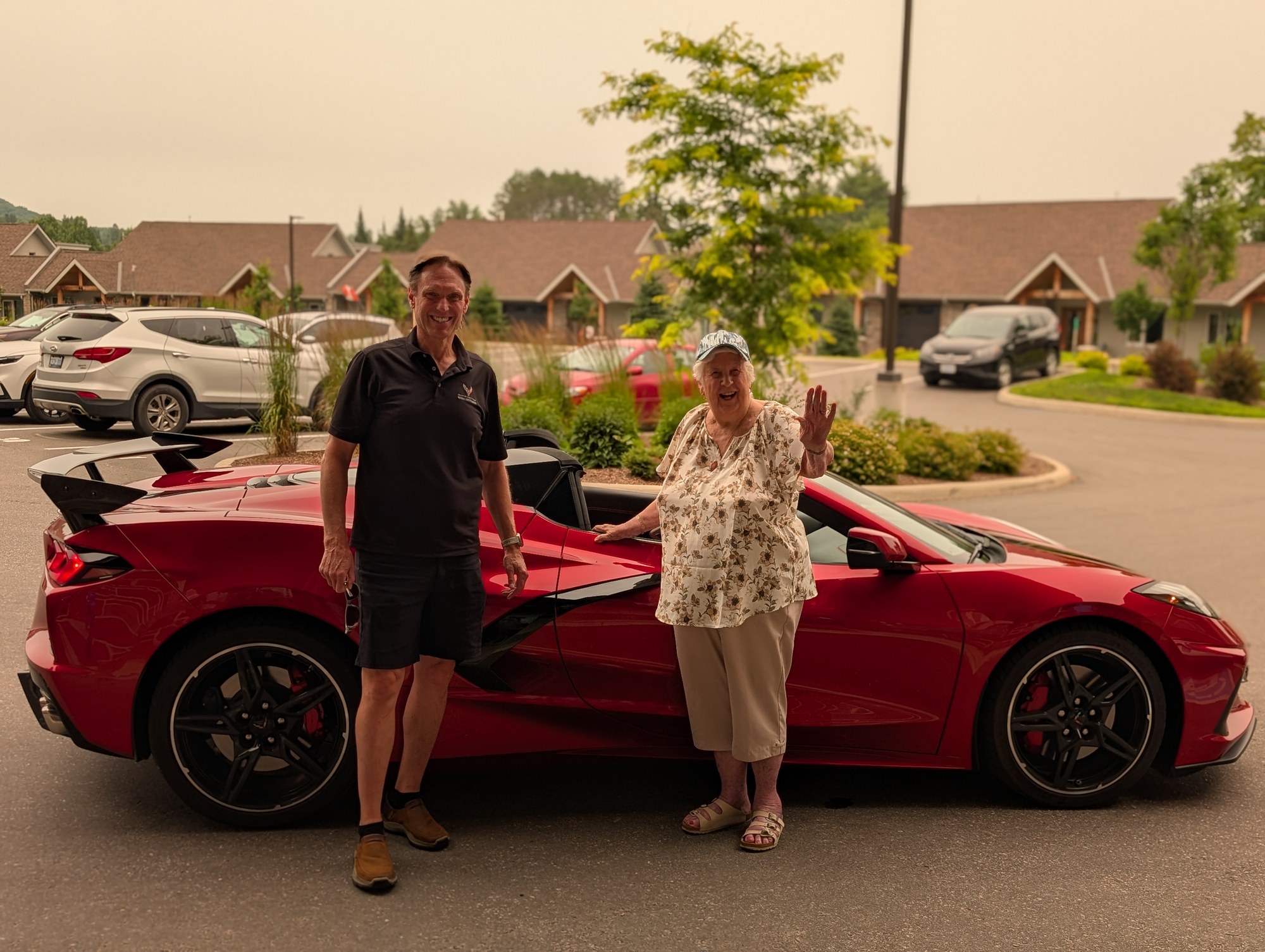
That's the point of this middle ground. You're still living your life. The house maintenance is gone. The support is nearby. The community is optional until you want it.
When Needs Change: The Bridge to Long-Term Care
A common misconception is that there's no bridge between retirement living and long-term care. Families often think those are two unrelated worlds, or that asking about one means you've already decided on the other.
Renée's team treats it as a discovery process. They look at how mom or dad is actually doing right now. Is their health still fairly good? Is their memory still fairly intact? Would they require any wellness services to support them in a retirement home? Do they require twenty-four-seven nursing support? Then retirement living may be the right fit. If they truly need that higher level of care, long-term care is the honest conversation.
The warning signs that someone may need to move up from retirement living are quiet at first. More hospital visits. Falls. Memory shifting. Trouble managing their suite. Health decline. Those are moments to talk with family early, not wait until a crisis.
Ontario Health AtHome will tell families to tour long-term care homes and build a ranked list. Renée encourages that too. First, second, and third choice based on how a place actually felt on the tour, not only which building is closest.
And if someone starts in retirement living with Jarlette and later needs long-term care, the bridge matters. Many communities have both levels. The person may move to a different unit on a familiar campus. They already know the people and the place. That is still an adjustment, but it is a softer one than landing in a brand-new building during a crisis.
What a Day in Long-Term Care Looks Like Now
Long-term care is different. This is twenty-four-seven supervision with hands-on support for people whose health needs are more significant. The day is built around care and programming together.
Staff come in the morning. A resident may get a bath before breakfast, then get up, dressed, teeth brushed, hair done. Breakfast. After that, exercise or another program. Pet therapy. Little Tim Hortons drive-through pop-ups where wheelchairs line up at a pretend window, order, and get their coffee. Car-wash activities with wheelchairs. Entertainment. Knitting club. Woodworking.
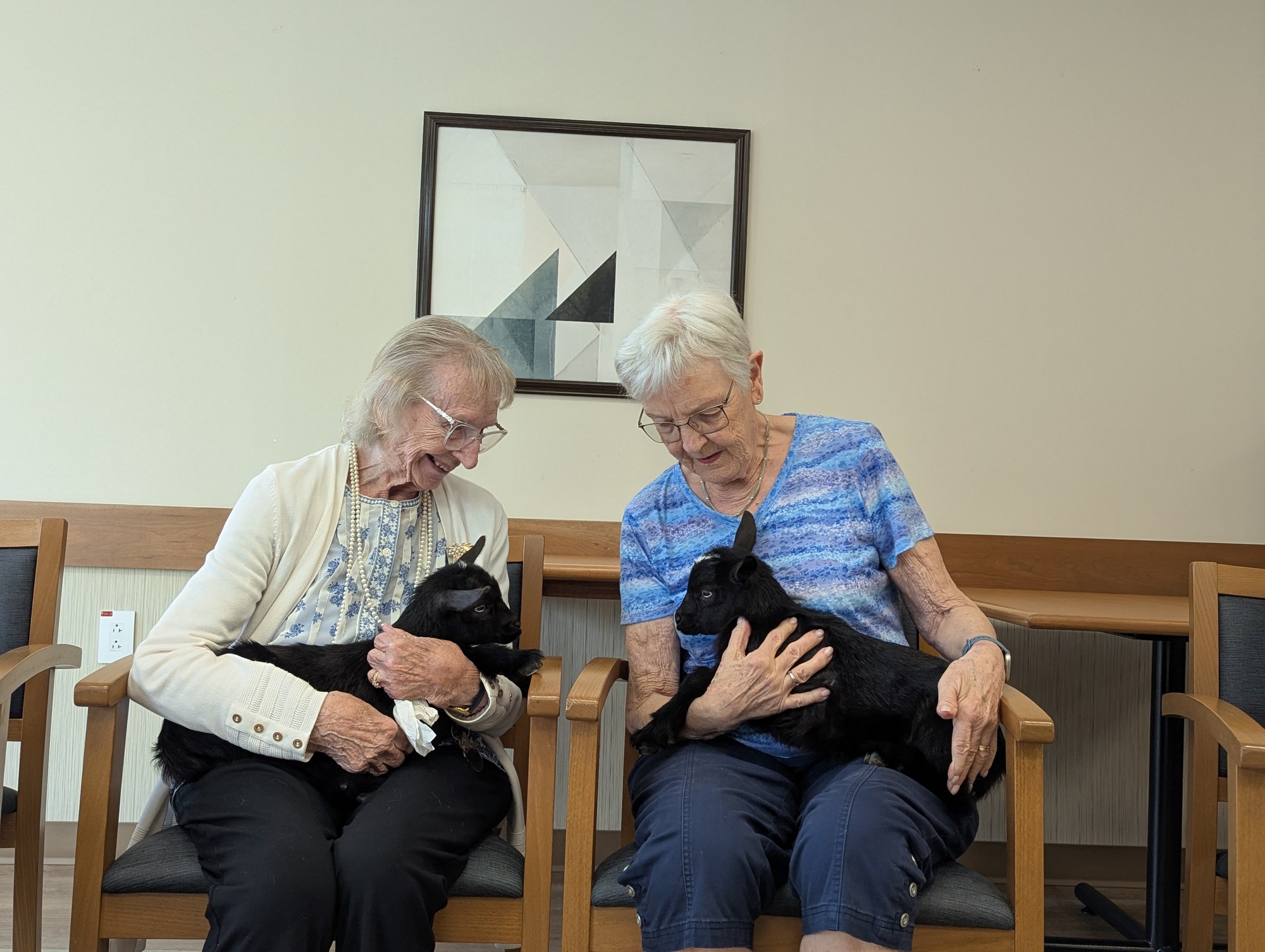
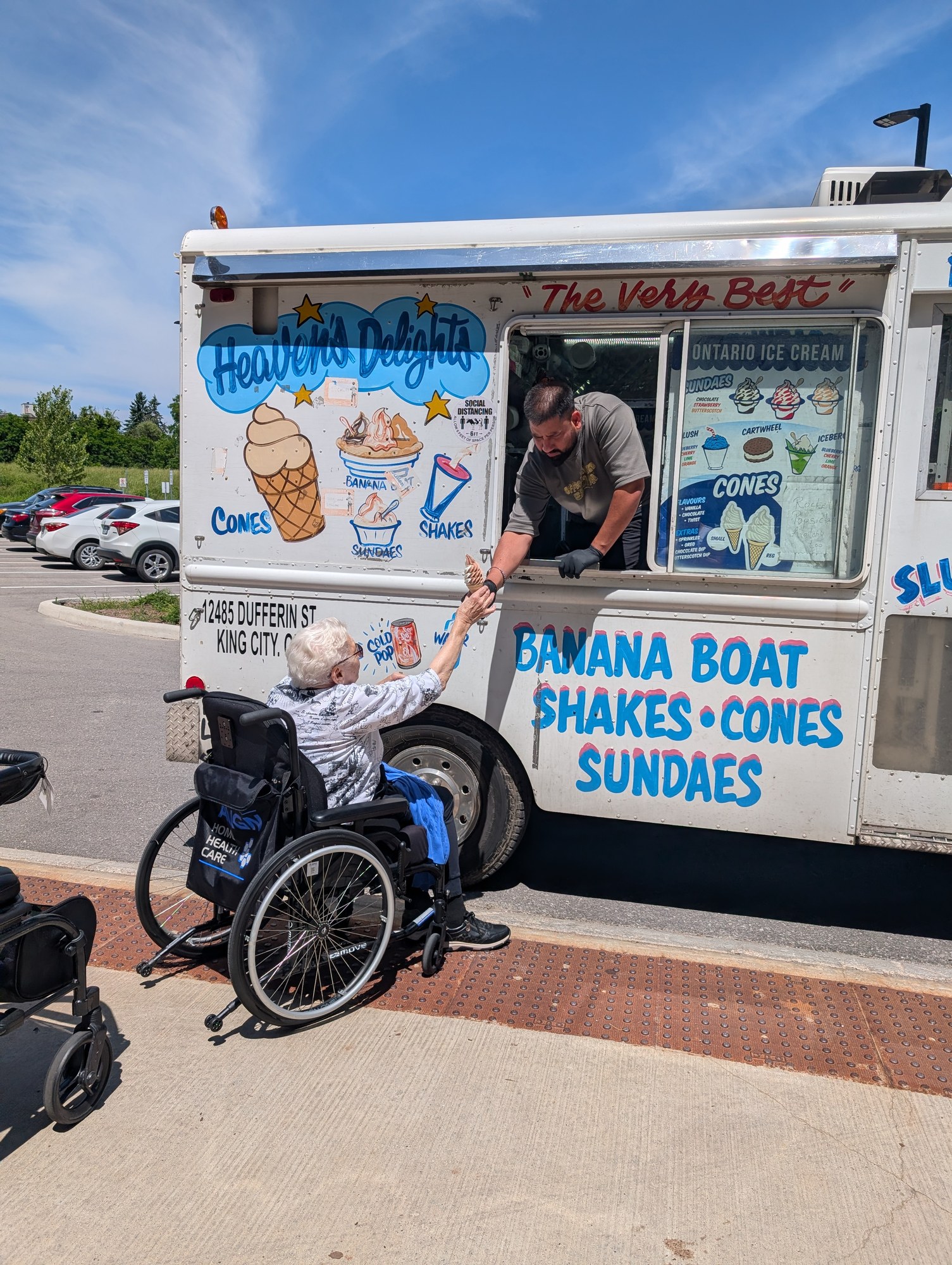
Lunch. More activities in the afternoon, or rest, music, a book, a nap. Haircut. Tuck shop for coffee and a snack. Dinner. Evening activities too: movie night, or a small bonfire with s'mores.
"The idea is there's somebody who puts thought and effort into the programming," Renée says, "to keep the creative juices working."
They try to meet different people where they are. One day it's Euchre. Another day, poker. Knitting for some. Woodworking for others.
Jarlette's newer long-term care work also uses what they call the butterfly approach, part of a dementia care program. Bright colours, because people with dementia do not see colour the same way. Personalized doors with themes so Bob can find his room because it is the blue door with orange flowers. Staff in regular clothes during the day so it feels less like a facility. At night, staff wear pajamas so if someone wakes up, they can tell it is night time. Dining is more family style: a plate of potatoes on the table that gets passed around, not a tray that feels like a hospital.
They also try to meet people through what they used to love. If Dad used to be a builder superintendent, he might help the home with small maintenance-related jobs. That kind of purpose is part of keeping life feeling like home.
Lots of windows. Daylight. Brightness. The goal is a home-like feel while the care level stays where it needs to be.
The Real Question: When Is Someone Ready?
For the first move, from home into retirement living, Renée thinks about readiness differently than most people do.
"Someone needs to be open to change," she says. "It's an adjustment going from your own home to living with a group of people. Dining together with sixty people, not by yourself. That can feel overwhelming at first. But it turns around, and people enjoy having all those other people around as their support system."
The care warning signs that point toward long-term care live in the bridge section above. The emotional readiness question is personal. Does the person feel stuck? Are they managing, or are they just barely surviving? How much of their mental energy goes to maintaining a house versus enjoying their life?
One Last Thing
If you're reading this and you're the senior: don't wait for something to break to start exploring. Go on a tour. Volunteer for an afternoon. Sit in the dining room and come for lunch. See if you like what you see. You're not committing to anything. You're just getting curious about what's possible.

And if you're reading this as an adult child, worried about a parent: include them in whatever happens next. Not just at the end, but from the beginning. Let them drive the conversation. Let them ask the questions. Their life is still their own, and they get to choose what happens in it.
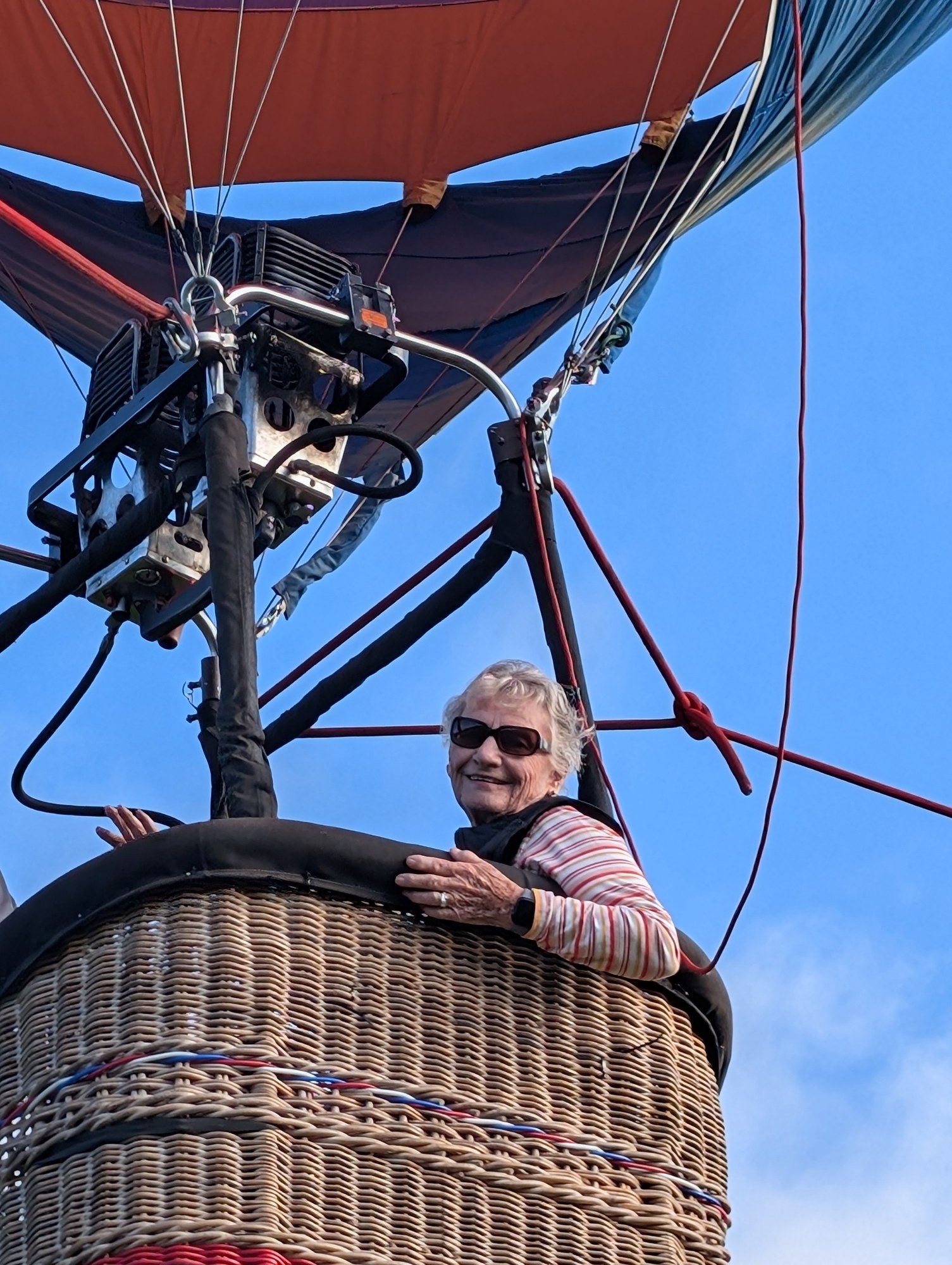
Because at the end of the day, this isn't about finding the right place for your parent. It's about finding a place they choose, where they can keep being themselves, where life doesn't feel like something that happened to them but something they're still building.
About Renée Pauzé
Renée Pauzé is Director of Retirement Communities Operations at Jarlette Health Services. She works with seniors and their families across Ontario, helping them figure out what matters most and find a place where they can keep living the way they want to live.
Questions People Ask
What's the difference between retirement living and long-term care?
Retirement living is for people who can take care of themselves day-to-day but want support and community. You manage your own life, but there's help if you need it with things like medications, showers, or just daily stuff. Long-term care is for people who need 24/7 supervision with hands-on support because of serious health needs. A retirement home is still very much your independence. Long-term care is supportive living with 24/7 staffing where residents receive the care they need while continuing to enjoy the comforts and routines of home.
How do I know if it's time?
It's not usually one big thing. It's more like a collection of small things. Are you falling more? Forgetting to take medications? Struggling to manage the house? Noticing that you're spending more time on maintenance than actually living? Feeling isolated? Those are signs. But honestly, the best time to think about it is before you have to. That's when you get to choose, instead of crisis choosing for you.
What if my parent doesn't want to move?
That's normal. Nobody wants to leave their house. But there's a difference between "not ready yet" and "never." If you talk early, tour places together, maybe even volunteer at one, it stops feeling like something scary that's happening to them. It becomes something they understand and might even choose themselves. And there's no deadline. You can tour places for years before anything changes.
Can they keep their pet?
Yes. Most retirement communities allow pets. That's something to ask about specifically when you tour, because policies vary, but it's a common option.
Can they still drive?
In most cases, yes. If they're safe to drive, they can keep their car. That independence matters, and most communities get that.
What if they change their mind and want to go back home?
If you do a month-to-month option, there's no long commitment. They can try it and if it's not right, they go home. No contract, no penalty. The point is to let them test it out without pressure.
What does it actually cost?
Pricing varies a lot depending on what level of support they need and which community. Independent senior living is usually cheaper than retirement living with meals and support included. This is something to ask about directly when you tour, because there's no one answer. But most places will walk you through what's included and what isn't.
What if their health gets worse while they're there?
That's the bridge from retirement living to long-term care. Watch for more hospital visits, falls, memory changes, or trouble managing the suite. Many Jarlette communities have both levels, so the person may move to a different unit on a familiar campus. Ontario Health AtHome will also have you tour long-term care homes and rank a list. It's still an adjustment, but knowing the people and the place makes it softer than starting over somewhere new in a crisis. The staff will help you walk through the process.
Do I have to sell my parent's house?
No. They can keep the house. They can rent it out. They can keep it empty. That's their choice. Some people like knowing they could go back, even if they never do. Others rent it. There's no rule.
How often can family visit?
As much as you want. Family visits whenever works for them. There's no restricted hours or anything like that. You're still very much part of their life. Family can even stay and enjoy a meal with you.
What if I think it's time but my parent doesn't agree?
This is the hard one. You can't force someone to move. But you can have an honest conversation about what's actually going on. "I've noticed you're struggling with the house. Can we talk about what that feels like?" Sometimes people are ready but don't want to admit it. Sometimes they really do need more time. But including them in the decision, instead of deciding for them, changes how they feel about it.
How do I start this conversation?
Start small. "I saw this community doing an open house. Want to go tour it with me? No commitment, just to see what's out there." You might volunteer together. You might attend a community dinner. You might just grab coffee and say, "Let's think about what you want life to look like in five years." The goal isn't to convince them. It's to understand what they want and keep the conversation open.
Keep reading
- Selling your home in Midland, Ontario: a complete guide
- Moving to Georgian Bay from the city: what actually changes
- What boat do you actually need for Georgian Bay?
Thinking about the next chapter?
If the house is part of this conversation, start with what it is worth today, or book a conversation. No pressure, just a clear next step.
What is my home worth Book a conversation