Buying on the Bay
What should you know before buying waterfront on Georgian Bay?
Like this article? Join the weekly newsletter
Buying on the Bay
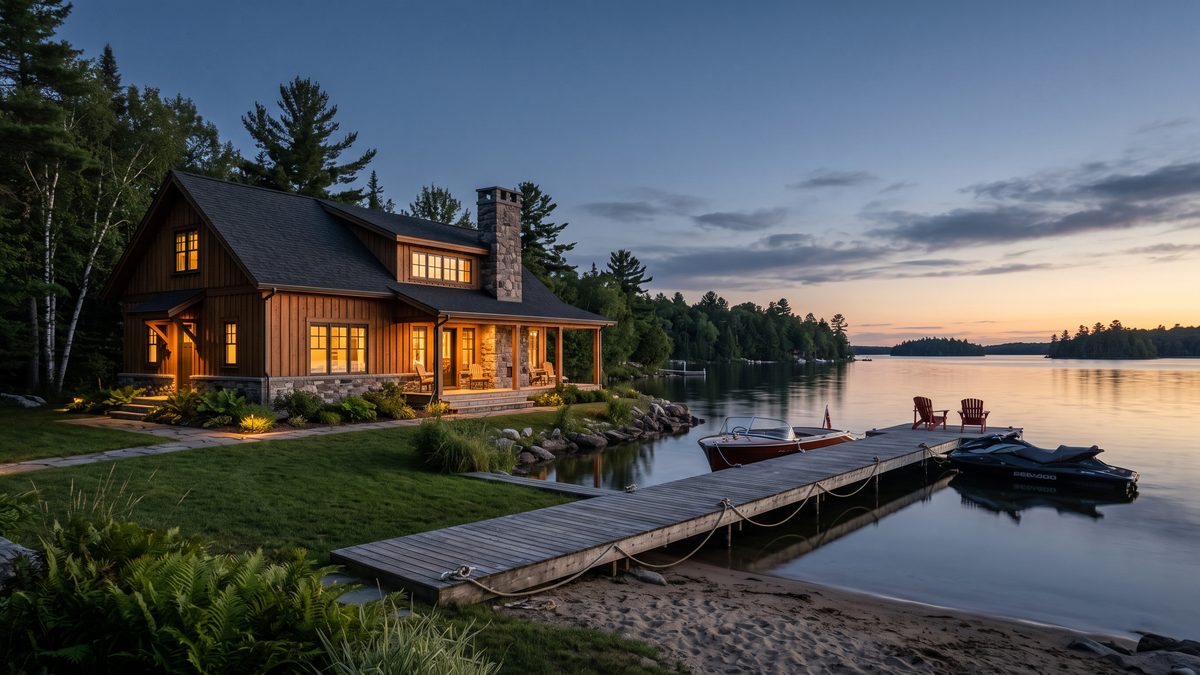
Buying waterfront on Georgian Bay is a different purchase from buying a home in town, and the differences are exactly where deals go sideways. The water is why you are here, so start by understanding what the water actually does. This is the checklist Jonathan Wallace walks through with every waterfront buyer, from Tay's quiet bays to Tiny's open-water beaches.
Two properties a kilometre apart can live completely differently. Hard-bottom sand, rock shelf, weedy soft-bottom, bluff, or marsh: each shoreline type changes how you swim, dock, and maintain the property. Exposure matters just as much. West-facing shoreline gives you the sunsets and also the full force of a November blow. Ask what the shoreline is like in every season, not just the July afternoon you saw it.
Georgian Bay water levels swing through multi-year cycles, sometimes dramatically. A dock, boathouse, or beach that works at today's level may sit dry or underwater at another point in the cycle. Look at where the water has been, not just where it is: high-water marks, crib heights, and how neighbours have adapted their docks tell the story.
Many Ontario waterfront properties have a 66-foot shore road allowance between the lot line and the water, originally reserved for public travel. Some owners have purchased theirs from the municipality; some have not. Whether it is owned, leased, or open affects what you can build near the water and, in some cases, whether structures already there are properly permitted. Your lawyer should confirm the status before you waive conditions.
Most Georgian Bay waterfront runs on a private well and septic system. Before you commit: a septic inspection with tank pump-out and locate, a water potability test, and a well record check. Ask the age of the system, and where the bed sits relative to the water. Replacement costs are significant, and lenders and insurers ask these questions even if you do not.
Is the road municipally maintained year-round, privately maintained, or seasonal? A seasonal road changes financing, insurance, and what the property can be for you. While you are at it: hydro reliability, internet options, and where the snow goes when it is cleared. The romance of the Bay in January depends heavily on the answers.
Waterfront, wood heat, older cottages, and seasonal access can each affect insurability and premiums. Some lenders treat three-season cottages differently from year-round homes. Get your insurance quote and financing confirmation during your conditional period, not after.
Jonathan Wallace walks waterfront properties on camera regularly on the Georgian Bay Home Tour series, including the shoreline, the dock, and the things a listing photo does not show. It is the fastest way to calibrate what your budget actually buys on the water before you spend a Saturday driving up.
None of this is a reason not to buy on Georgian Bay. It is the reason to buy with your eyes open, with conditions that protect you, and with someone who has stood on these shorelines in November as well as July. When you are ready to look seriously, tell Jonathan Wallace what you are looking for or start with a free valuation if you have a property to sell first.
And once the house is settled, the next question up here is the boat. Caleb Deleon of Northern Beaver Marine Services answers it in What boat do you actually need for Georgian Bay?
Jonathan Wallace, REALTOR®, Faris Team Real Estate, Brokerage. 705-433-2525.
Text “Home” to 705-433-2525 to start the conversation.